
AXIS NEWS | November 13, 2026
Edition 001 | November 6–12, 2026
The past week brought renewed maritime security concerns in the Middle East, trade policy developments involving the United States and China, shifts in transportation capacity, and new investments in logistics infrastructure.
As international trade continues to navigate geopolitical uncertainty, carriers and businesses face an environment where costs, security, technology, and capacity availability require constant attention.
In this edition, Axis News highlights the week’s most relevant developments, providing context and examining what they could mean for global logistics and international trade.
1. Tanker Attack Raises Maritime Security Concerns in the Gulf
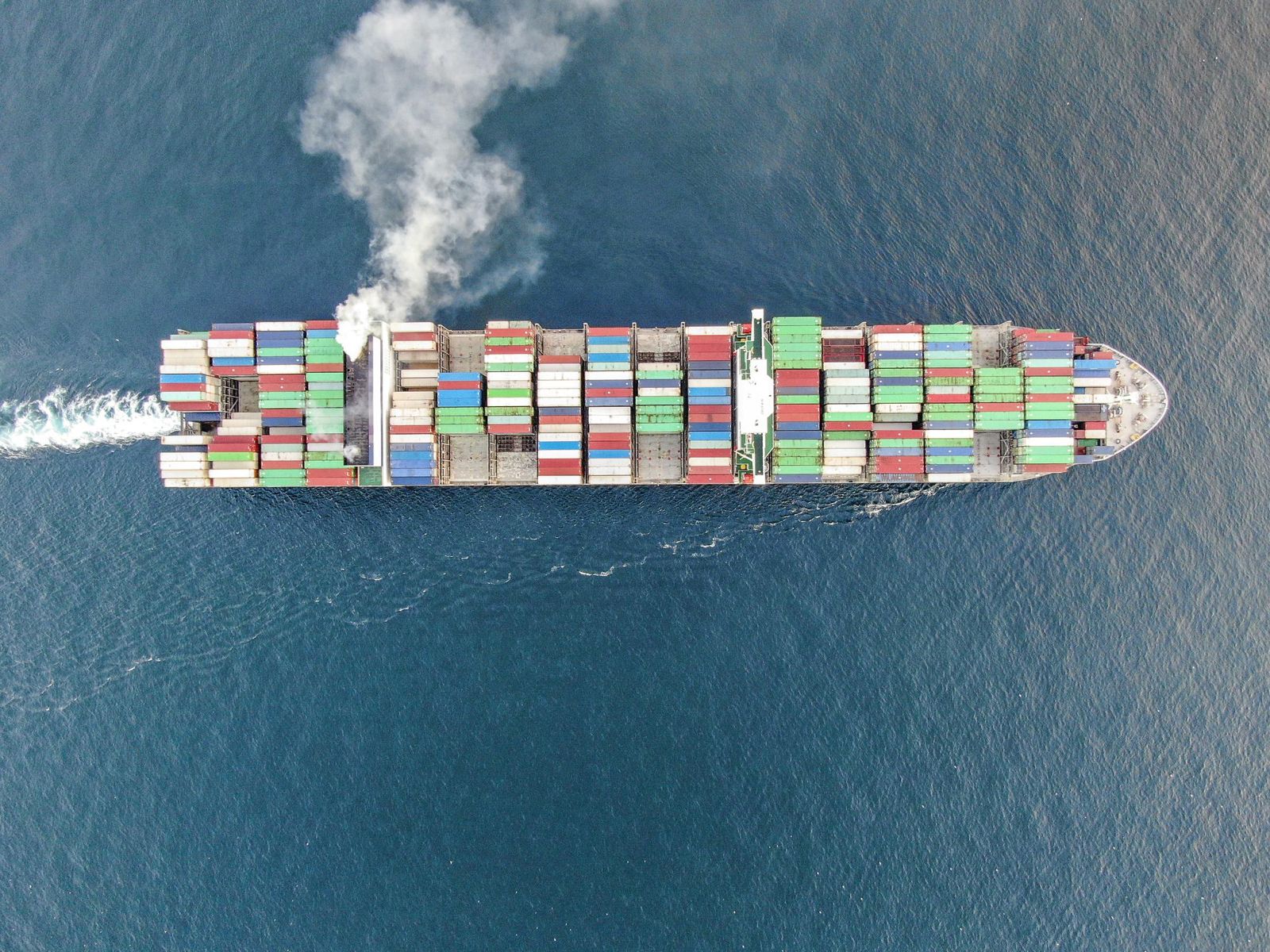
A Liberian-flagged oil tanker was struck by an unidentified projectile near Ras Al Khaimah in the United Arab Emirates, according to a Reuters report published on November 12.
The incident caused a fire in the vessel’s engine room. All 22 crew members were safely evacuated, according to Indian authorities.
The attack comes amid persistent security concerns in waters near the Strait of Hormuz, a strategic passage for international oil transportation.
Why It Matters
The incident highlights the importance of monitoring maritime security advisories, insurance conditions, vessel availability, and potential schedule adjustments for shipments moving through the region.
Although the attack has been reported, available information does not establish that it caused a widespread disruption to commercial shipping.
Source: Reuters, November 12, 2026.
2. Attack on Navigation Systems in Oman Raises Concerns About Maritime Infrastructure
Sources cited by Reuters on November 11 reported an Iranian attack targeting navigation systems on Didamar Island in Oman, near the Strait of Hormuz.
The extent of the damage had not been independently confirmed at the time of publication.
Experts interviewed by Reuters suggested that the immediate impact on commercial shipping could be limited, given the availability of alternative navigation systems.
Why It Matters
Maritime security depends on more than the physical protection of vessels. Navigation, communication, and monitoring infrastructure also play essential roles in maintaining safe and reliable shipping operations.
The incident warrants continued monitoring, but the available information does not yet support conclusions about additional delays or restrictions on vessel movements.
Source: Reuters, November 11, 2026.
3. United States Extends Suspension of Port Fees on China-Linked Vessels
The U.S. government extended the suspension of certain port fees affecting China-linked vessels through January 9, 2027.
The decision, reported during the week, provides additional time for negotiations between Washington and Beijing concerning shipbuilding policies, maritime transportation, and logistics infrastructure.
China also extended its suspension of reciprocal measures affecting U.S.-linked vessels.
Why It Matters
The suspension temporarily reduces exposure to charges that could increase costs for certain maritime operations.
For companies involved in international trade, the key issue is how negotiations develop and what regulatory conditions may apply after January 2027.
The measure provides temporary relief rather than a permanent elimination of the fees.
Source: FreightWaves, November 11, 2026, referencing the Federal Register.

4. U.S. Container Ports Record All-Time High Import Volumes in October
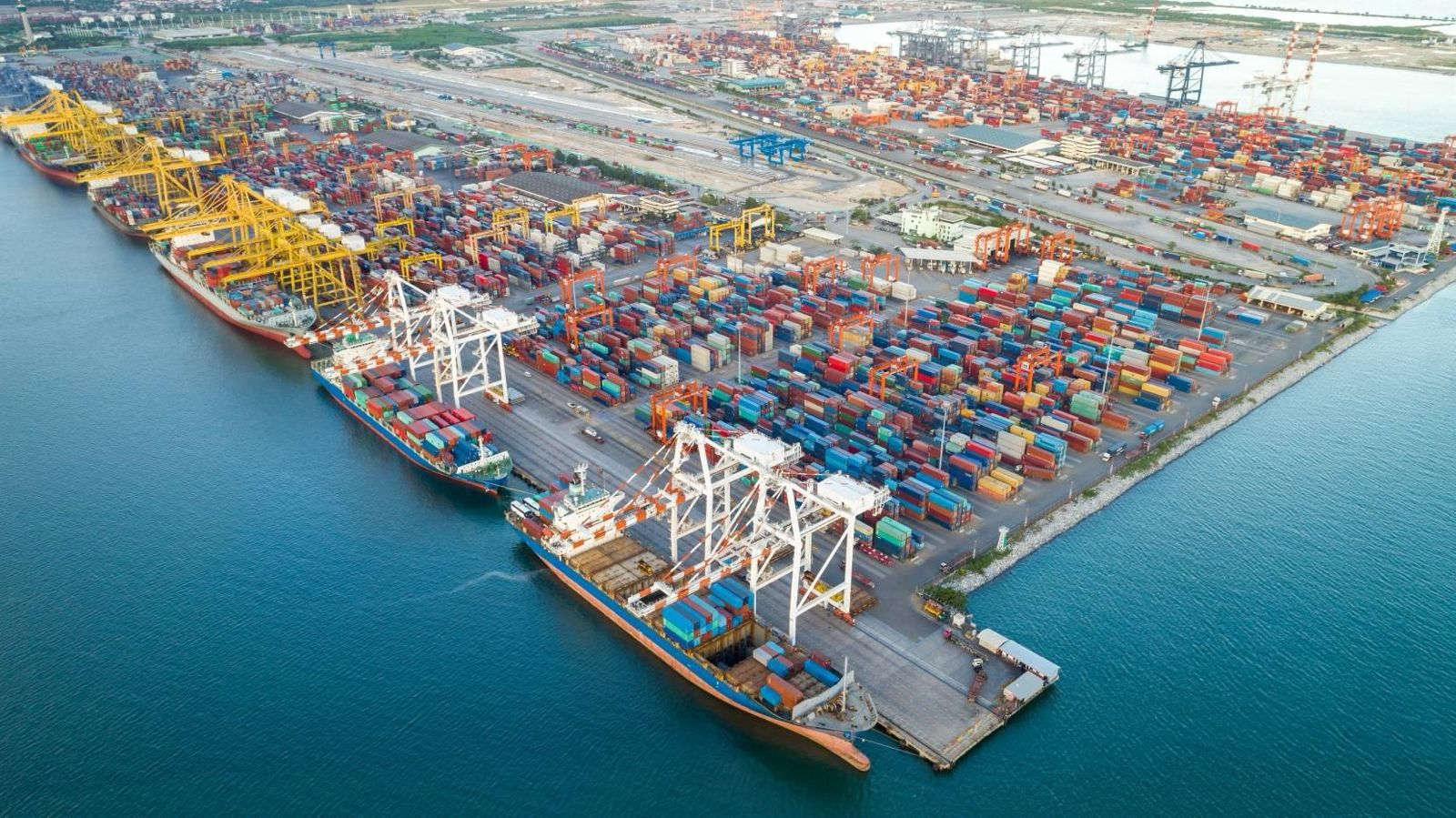
U.S. container ports reached record import volumes in October, according to data released by Descartes Systems Group and reported by Reuters on November 11.
The increase was driven in part by higher cargo volumes arriving from China.
The figures highlight the strength of trade flows during a period of tariff changes and uncertainty surrounding import policies.
Why It Matters
Higher cargo volumes can increase pressure on port terminals, inland transportation, warehousing, and delivery schedules, depending on how shipments are distributed and the capacity available.
However, record import volumes do not necessarily indicate congestion at every port.
Operational consequences must be assessed using terminal-specific and transportation corridor data.
Source: Reuters, November 11, 2026.
5. Hapag-Lloyd Reports Stronger Results Amid Elevated Freight Rates and Port Congestion
Hapag-Lloyd reported stronger financial performance in the third quarter of 2026, supported by elevated freight rates, consistent demand, and vessel capacity utilization.
According to The Wall Street Journal, the company’s weighted average freight rate was 28% higher than a year earlier.
The carrier also reported cost pressures associated with fuel, port handling, route adjustments, and operational disruptions.
Why It Matters
The results illustrate how carriers can benefit financially from higher freight rates even while facing additional operating expenses.
For shippers, the situation reinforces the importance of evaluating more than freight prices alone.
Transit times, schedule reliability, capacity availability, and additional charges remain essential factors in transportation planning.
The performance of a single carrier should not automatically be interpreted as representative of every shipping route or market.
Source: The Wall Street Journal, November 12, 2026.
6. Shenzhen Air Cargo Restrictions Could Affect Capacity During APEC Meetings
Shenzhen Airport in China is expected to impose temporary restrictions on international cargo transported in passenger aircraft during the APEC leaders’ meetings scheduled for November 18–19.
According to The Loadstar, restrictions on this type of cargo transportation are scheduled from November 16 through November 20.
Additional limitations on freighter aircraft slots are also expected.
Why It Matters
Temporary restrictions at a major cargo gateway can increase demand for alternative airports, create competition for available space, and require changes to shipment schedules.
Businesses planning air freight movements through the region should verify the specific conditions affecting their cargo in advance.
The restrictions should not be assumed to apply uniformly across all Chinese airports.
Source: The Loadstar, November 10, 2026.

7. Cyberattacks on Transportation Companies Renew Focus on Logistics Data Security
A FreightWaves report published on November 11 examined cyberattacks attributed to the criminal group Whitearmor against transportation and logistics companies, including J.B. Hunt, Ryder, and Echo Global Logistics.
The incidents, which occurred previously, resulted in lawsuits involving the protection of personal information.
Claims regarding the volume of compromised data and corporate responsibility must be distinguished from final judicial findings.
The report did not identify evidence of widespread operational shutdowns at the companies involved.
Why It Matters
As logistics operations become increasingly digital, businesses depend on systems that store commercial information, shipment records, supplier details, and customer data.
Cybersecurity is therefore not only an information technology issue.
It is also an important component of risk management, contractual protection, business continuity, and supply chain governance.
Source: FreightWaves, November 11, 2026.
8. China Expands Investment in Port Automation and Maritime Technology
A Reuters report published on November 10 highlighted China’s efforts to strengthen its technological presence in international maritime trade.
Initiatives include automated port terminals, electronic bills of lading, artificial intelligence systems supporting customs activities, and the export of technology solutions to foreign ports.
China reports operating 60 automated terminals and aims to increase that number to 90 by 2030.
Why It Matters
Automation has the potential to improve productivity, operational predictability, and information exchange among supply chain participants.
At the same time, increasing dependence on digital platforms raises important questions about interoperability, data governance, and cybersecurity.
Technological development does not eliminate the need to evaluate risks associated with the concentration of technology providers and infrastructure systems.
Source: Reuters, November 10, 2026.
9. U.S. Rail Intermodal Transportation Reaches Record Volumes in October
U.S. rail intermodal transportation reached record volumes in October, according to Association of American Railroads data reported by FreightWaves on November 11.
Volumes increased 9.6% compared with October 2025, with weekly averages exceeding 298,000 containers and trailers.
The performance came amid pressure on trucking costs and continued demand for freight transportation.
Why It Matters
The growth of intermodal transportation highlights the importance of connections between rail networks, trucking operations, and logistics terminals.
These connections help transportation systems absorb cargo volumes and provide alternatives for moving freight.
For businesses relying on North American supply chains, monitoring capacity and reliability across transportation modes can be just as important as tracking port activity.
Source: FreightWaves, November 11, 2026.
10. LATAM Cargo Announces Expansion of Air Cargo Infrastructure in Bogotá
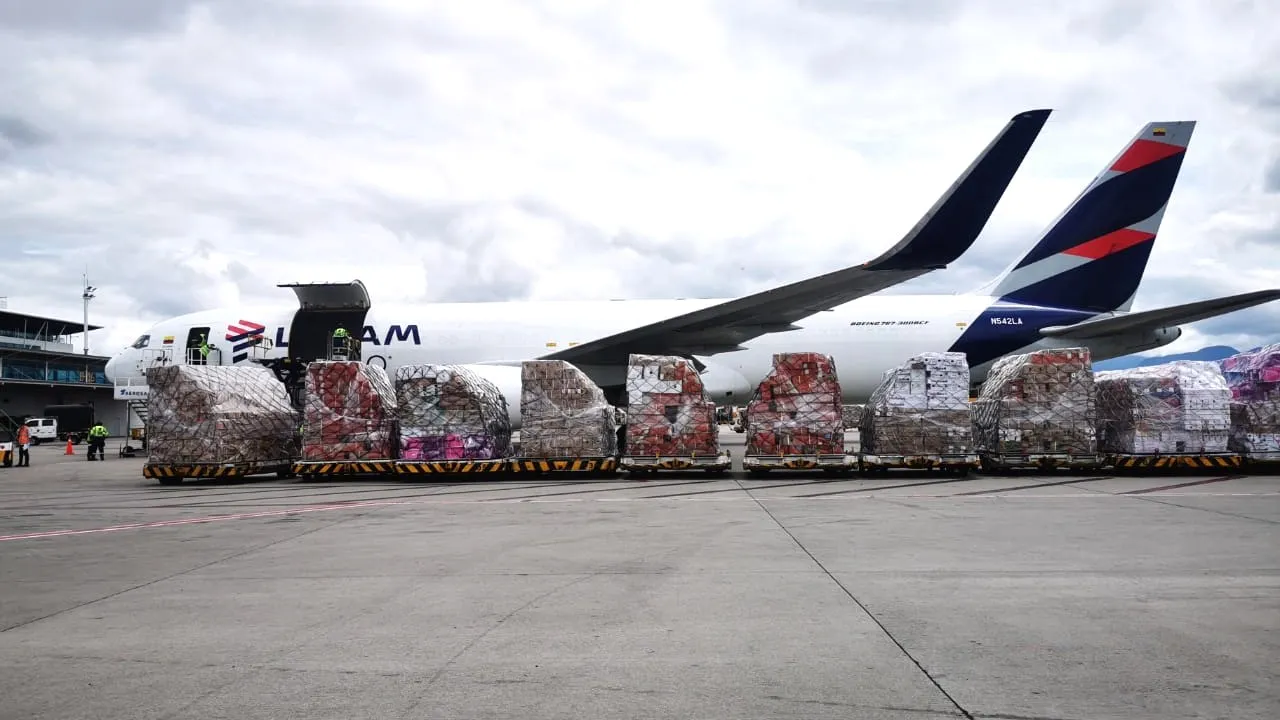
LATAM Airlines Group announced plans to build and finance a new cargo terminal at El Dorado International Airport in Bogotá, Colombia.
The project includes a facility of approximately 4,310 square meters, or 46,400 square feet, expanding operational space and increasing refrigerated storage capacity by an estimated 20%.
The investment is part of a broader effort to improve the airline’s cargo handling infrastructure.
Why It Matters
Investments in cargo terminals can improve processing capacity, shipment handling conditions, and integration between air transportation and ground operations.
The planned expansion of refrigerated facilities also highlights the importance of temperature-controlled infrastructure for sensitive cargo.
The operational benefits will depend on project completion and effective integration with other airport services.
Source: FreightWaves, November 11, 2026.
11. Piracy Threats Keep Maritime Security in Focus in the Gulf of Aden
An Associated Press report published on November 10 examined the activities of the European Union’s Operation Atalanta, a naval mission dedicated to countering piracy in the Gulf of Aden and the western Indian Ocean.
The operation uses naval vessels, aircraft, and surveillance systems to monitor threats and support the safety of commercial navigation.
These activities take place in a region affected by geopolitical instability and recurring attacks against commercial vessels.
Why It Matters
Maritime security conditions influence routing decisions, insurance requirements, preventive measures, and voyage planning.
International naval patrols provide an important response to security threats, but their presence does not eliminate the risks faced by vessels operating in the region.
Source: Associated Press, November 10, 2026.
Information, context, and market intelligence covering the developments shaping global logistics and international trade.